Practical Articles for Everyday Questions
Read simple articles about sleep, routine changes, energy, digestion, hydration, timing, medication notes, and written records.
Each article is built around a question someone might want to remember, compare, or understand before choosing a tool.

The Erasing Power of Pain
You remember the severity of the migraine. You remember the sharp pain in the joint. But you do not remember the subtle stiffness that preceded it for three days. Pain erases context — and context is what diagnosis depends on.

Relief Amnesia — Why the Mind Erases What It Most Needs to Remember
The pain resolved. The nausea stopped. The difficult week ended. And within days, the specific details of what you went through — the exact sequence, the duration, the triggers — began to disappear.

The Silence of the Unreported
You managed the reaction at home. You adjusted the dose because the full amount caused nausea. You never mentioned the new supplement. None of that is in the record. And that gap may be exactly what the doctor needs to understand.
The Island Problem in Modern Healthcare
You have three patient portals. Each one holds a fragment of your health. None of them talk to each other. You are the only person present in every room, which means you are the only bridge between them.

The Value of the Negative Space
You remember the worst week. You document the days of pain. But the days when you felt well — the days that define your actual baseline — are almost never written down.
The Timeline as a Diagnostic Tool
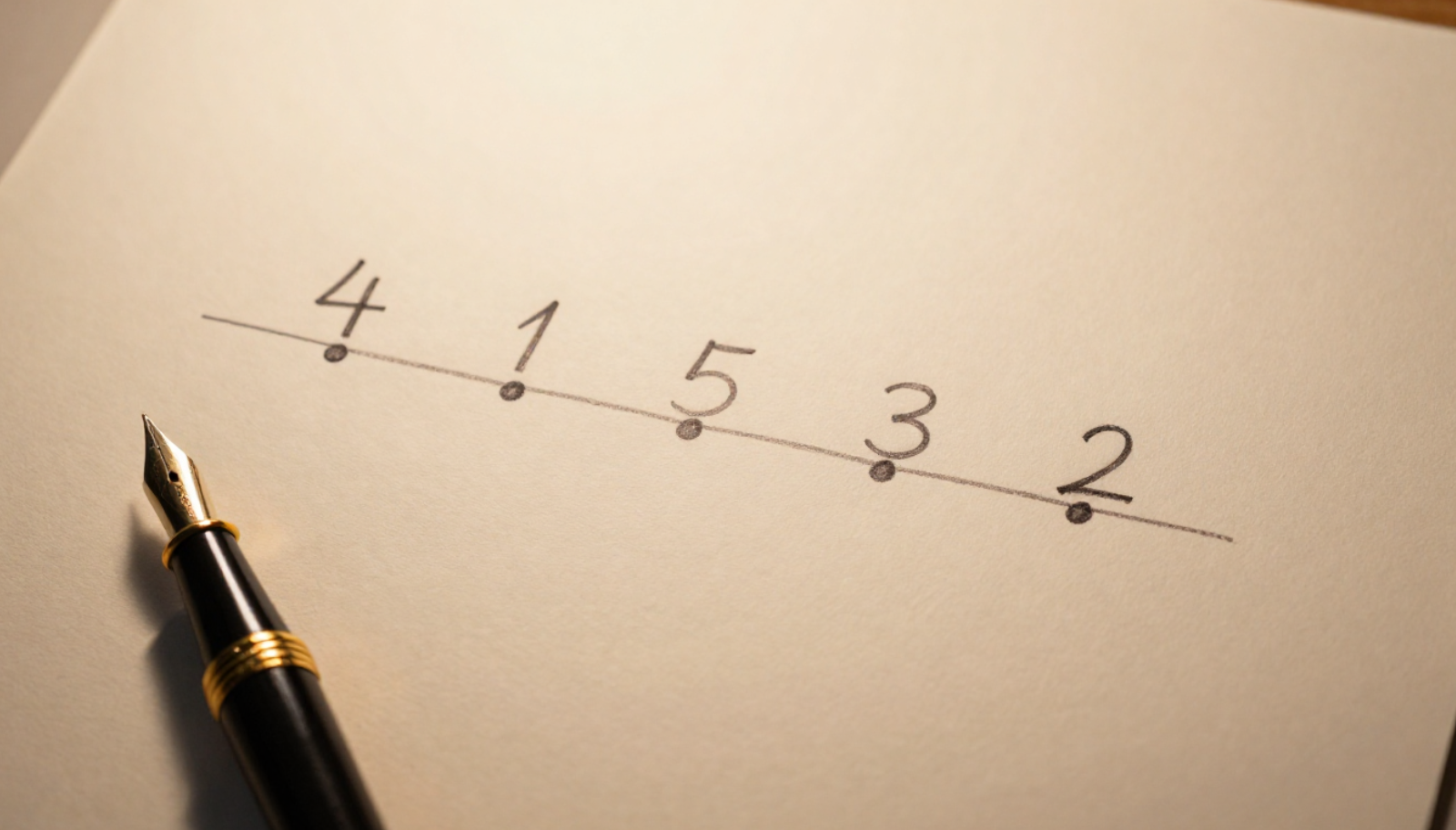
A symptom is a data point. A sequence of symptoms, in the exact order they appeared, is a map. The map is what leads to the diagnosis.

Why Good Days Are Erased From Memory
You remember the worst week. You remember the day the pain was sharpest. But you do not remember the three days of improvement that came before the relapse — and without those days, the pattern is invisible.
The Gap Between Prescribed and Actual
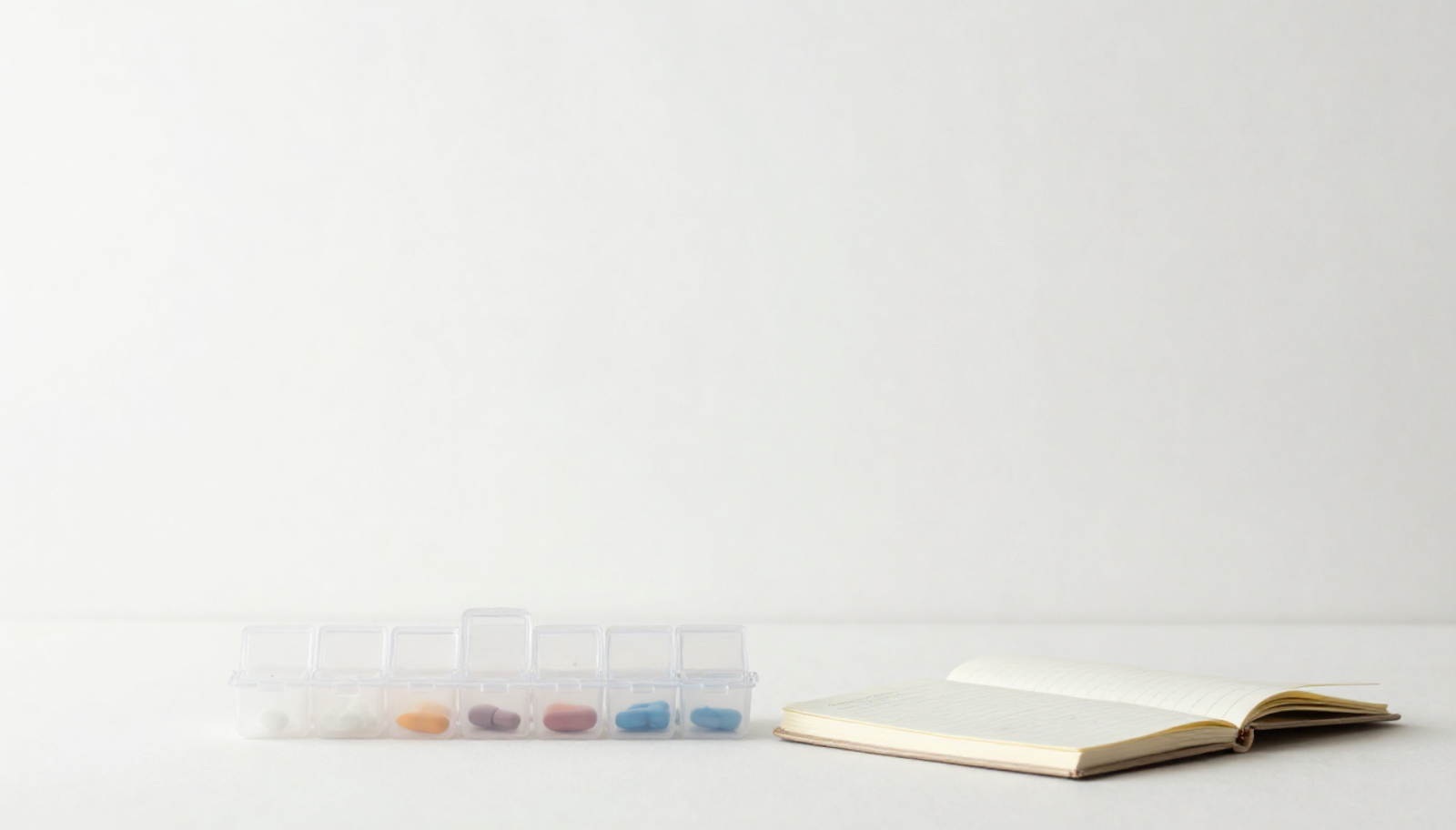
The prescription label says once a day. But you took it at night because the morning dose caused nausea. You skipped it twice when you ran out. You cut it in half for the first week. None of that is in the record.

Why Transitions Are Where History Disappears
When you change providers, the new doctor receives whatever was transferred. What was transferred is always partial. The history that fills the gap is the one you bring yourself.

The Illusion of the Master File
The master file you assume exists in the medical system is a fiction. What exists instead is a collection of islands — each office holding its own fragment, none of them connected.

The Cost Of Starting Over With A New Doctor
You have been here before. A new office, a new intake form, a new provider who knows nothing about the past three years of your health. The form asks for everything. You already know the summary you are writing is incomplete.

The Difference Between Remembering And Knowing
You remember the pain. You remember the disruption. But when the doctor asks for the specific date, the answer you thought you had becomes an approximation. This is the difference between remembering and knowing.

How To Keep Personal Health Details From Getting Lost
Personal health details can end up spread across portals, pharmacy apps, appointment notes, product labels, and memory. A written records log gives important details one place to return to later.

Healthy Aging Routine Log: What To Write Down
Healthy aging can bring more daily details to remember — products, supplements, rest, movement, appointments, questions, and notes. A written routine log gives those details one place to stay.

Why Did The Evening Change The Next Day?
Evening details can shape the next day. This article helps you keep bedtime routine, products used, meals, caffeine, night details, rest, and morning-after notes together.

Where Did I Put The Details I Need Now?
Personal records can spread across portals, papers, folders, messages, and memory. This article helps you keep provider contacts, record locations, lab result notes, appointment details, and follow-up questions easier to find.

Should I Buy This Again?
Recurring products can become difficult to keep straight once they are part of a routine. This article helps you write down refill dates, sources, replacement needs, cost notes, and what to remember before buying again.

Do I Still Need This Product?
Products can enter a routine quietly. This article helps you keep product names, dates, reasons, sources, use notes, and questions together before buying again or changing the routine.

Why Does This Feel Different Than It Used To?
Movement changes can be practical before they are easy to explain. This article helps you keep tasks, walks, mobility notes, rest after activity, energy, and questions together.

Why Does My Energy Feel Different Now?
Energy can feel different before the reason is clear. This article helps you keep sleep, meals, fluids, movement, rest, products, and daily demands on the same note.
Start with the collection
Browse the Observation Tools page to find the printed book that fits the part of your routine you want to review now.