Practical Articles for Everyday Questions
Read simple articles about sleep, routine changes, energy, digestion, hydration, timing, medication notes, and written records.
Each article is built around a question someone might want to remember, compare, or understand before choosing a tool.
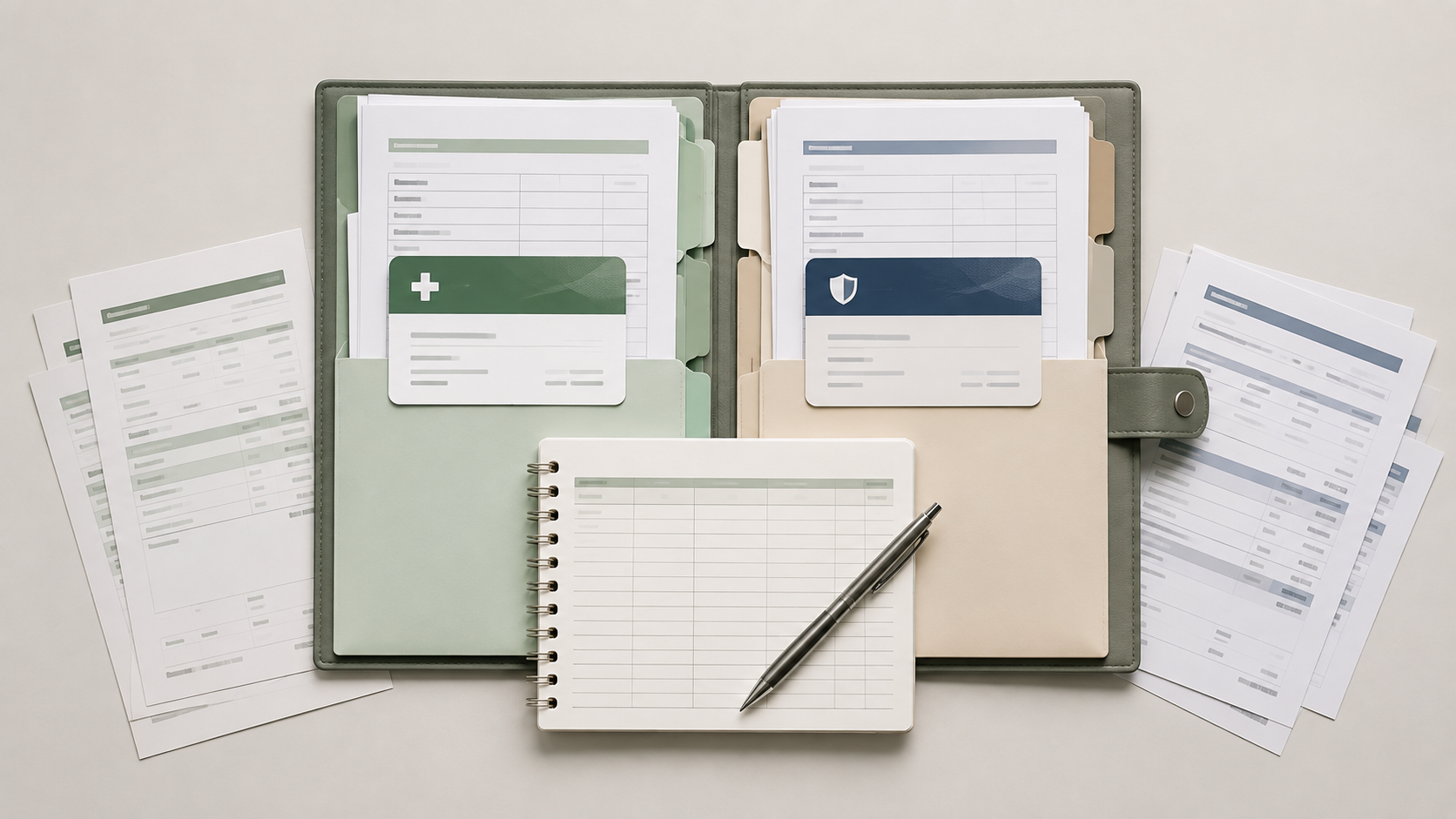
What Should I Keep Track of When I Have More Than One Health Insurance Plan?
When more than one health plan is involved, the same medical claim may move through a primary and secondary payer. Keeping both claim records, EOBs, processing dates, and the provider balance connected can make the process easier to follow.
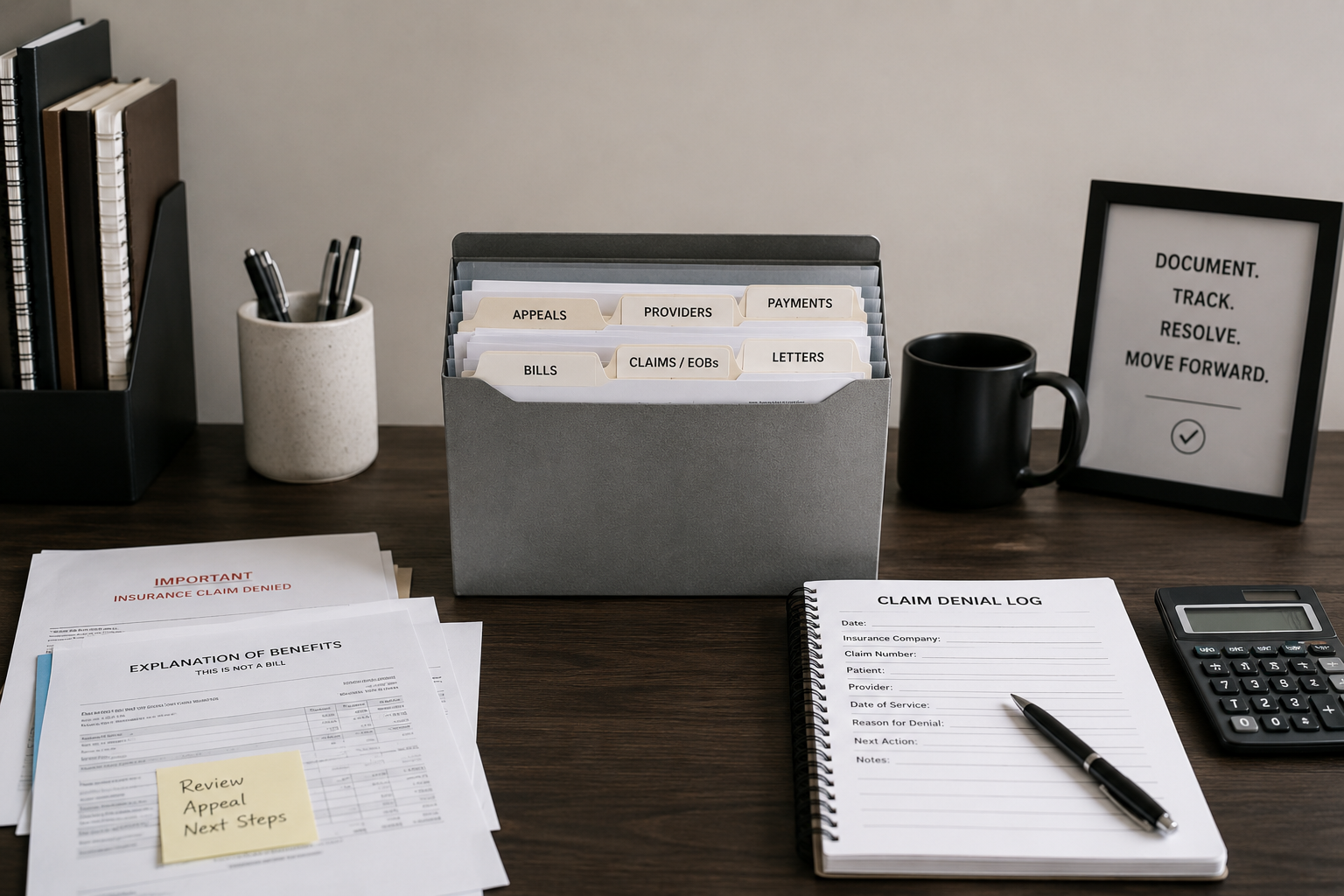
What Should I Keep Track of After Health Insurance Denies a Claim?
A health insurance denial is not always the end of a claim. Understanding how the denial, appeal process, later decisions, and provider account relate can make it easier to see where the case actually stands.
What Should I Record When a Medical Bill Is Sent to Collections?
When a medical bill is sent to collections, the record can expand beyond the original provider account. Keeping collection notices, account references, balance changes, communications, payments, and final status connected creates a clearer administrative history.

How Do I Keep Track of Medical Bill Payments, Credits, and Refunds?
Medical billing balances can change after patient payments, insurance payments, adjustments, credits, or refunds. Keeping each transaction connected to the correct provider account makes it easier to understand what changed and what is still pending.
How Do I Know When a Medical Billing Problem Is Actually Resolved?
A medical billing problem may still be active even after one claim is processed or one balance reaches zero. Before closing the case, check every known account, current claim status, promised action, balance, and remaining issue.

What Medical Billing Documents Should I Keep Together?
Medical billing paperwork can quickly become fragmented across providers, insurers, portals, letters, and submissions. Keeping the right records connected to the same case makes it easier to see what happened, what changed, and what still needs follow-up.
What Should I Write Down When I Apply for Hospital Financial Assistance?
Applying for hospital financial assistance can create a trail of applications, requested documents, deadlines, decisions, and balance changes. A written record helps you see what you submitted, what is still pending, what the hospital decided, and what needs to happen before the billing case is truly resolved.

What Should I Write Down When I Call About a Medical Bill?
Medical billing calls can quickly produce new reference numbers, promised actions, documents, and follow-up dates. A simple written record helps you preserve what you asked, what you were told, what the organization said it would do, and what needs to happen next.

What Should I Do If I Don’t Understand a Medical Bill?
A medical bill can be difficult to understand when one episode of care creates multiple providers, insurance claims, statements, and follow-up steps. Before paying a bill you do not understand, organize the documents, identify what is unclear, and create a paper trail showing what happened, what is pending, and what you need to do next.
What to Write Down in the First Week After a Dose Increase
The first week after a dose changes is the week that gets asked about later and remembered worst. Five things, recorded while they are still ordinary, make it answerable.
How Long Can GLP-1 Side Effects Last After a Dose Increase?
Research describes side effects after a dose increase as commonly transient, often easing once a dose is held. But published ranges describe populations. A dated record preserves what happened in one person's actual sequence.
What Changed Before the Scale Stopped Moving?
When the scale stops moving, the number itself holds no history. The details that explain a stall — dose timing, appetite, symptoms, interruptions — live in the weeks before it, and only in writing.

What Are the Warning Signs You're Losing Muscle, Not Just Fat, on a GLP-1 Medication?
The scale can't tell you if you're losing muscle instead of fat — but a chair, a jar, and five simple questions can. Here are the clinical warning signs worth tracking before they become harder to reverse.

How Often Should You Strength Train on a GLP-1 Medication?
Walking more won't protect your muscle on a GLP-1 medication — the research points to something more specific. Here's the resistance training frequency that actually moves the needle, and how to start without a gym.

How Much Protein Do You Actually Need on a GLP-1 Medication to Protect Muscle?
Most research points to 1.2–1.6 grams of protein per kilogram of body weight — noticeably higher than the standard recommendation. Here's what that actually looks like on a plate, and why the range matters more than a single number.

Why Does The Body Fight To Undo What Treatment Did?
Stopping GLP-1 treatment doesn't come with an off-ramp — no dose day, no appointment, no built-in moment to notice what's changing. But appetite, weight, and hunger can keep moving long after the last dose. Here's why "rebound" might be the wrong word for it, and what's worth tracking instead.

Why Does Food Suddenly Taste Different During Treatment?
The craving disappears before the weight does. Long before most people notice changes on a scale, foods that used to be appealing simply stop pulling at attention the way they did — and the research points to the brain's reward pathways, not the tongue, as the reason why.

Why Do Most People Who Stop A GLP-1 Medication Go Back Within Two Years?
Most people who stop don't stay stopped. A cohort of over 125,000 patients found that within two years of stopping treatment, nearly half had gone back — and the amount of weight regained during the gap, not just time passing, was what predicted the return
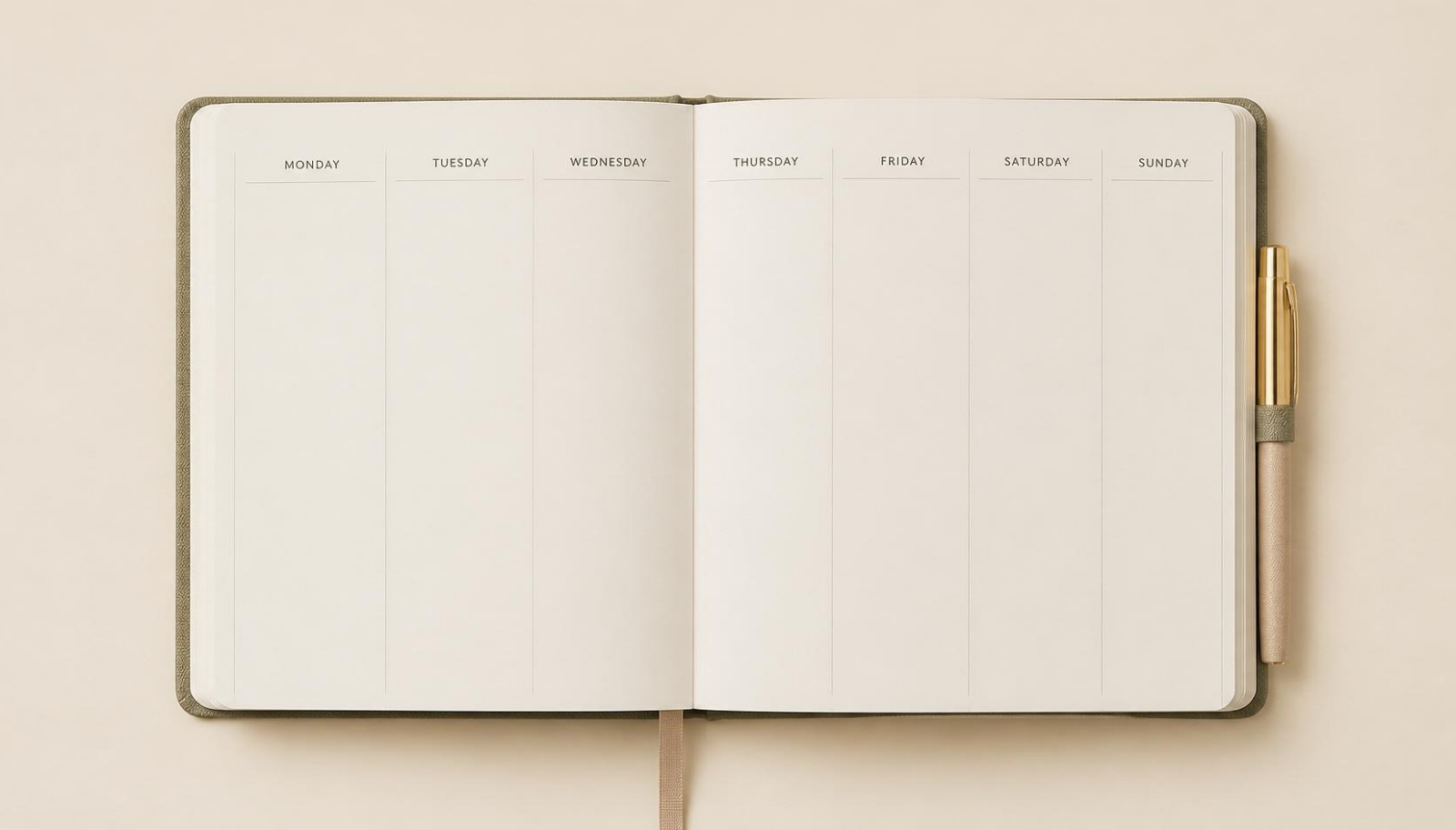
Why Does Every Fresh Start Come With Something New To Buy?
The urge to buy something new rarely comes from the product. It comes from the calendar. Temporal landmarks create a false sense of a clean slate — and that feeling fades long before most products get the chance to prove themselves.
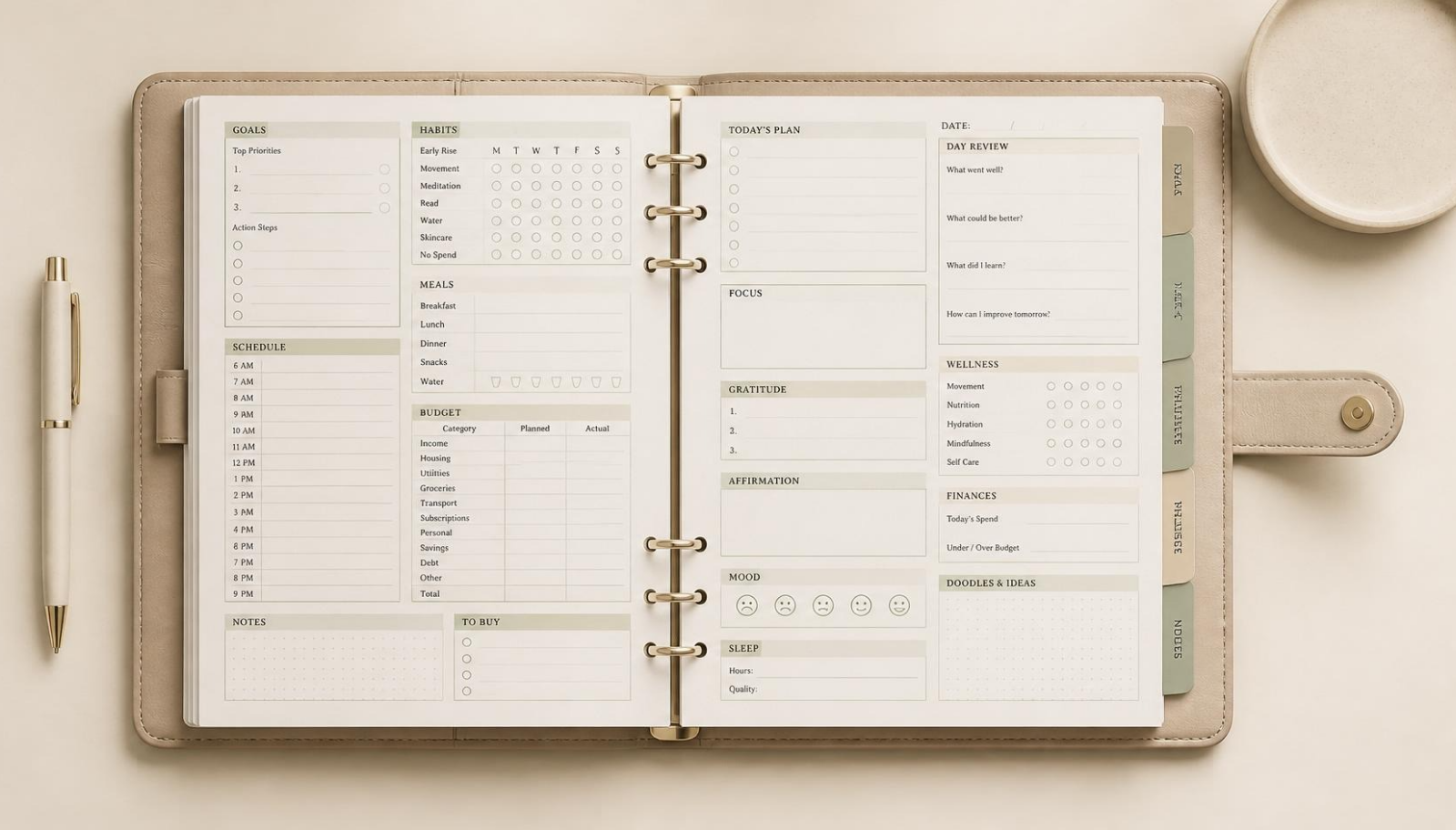
Why Does The Planner With The Most Features Get Abandoned First?
The planner with the most categories usually gets used the least. More features mean more sorting decisions at the exact moment the planner needs to feel effortless.
Start with the collection
Browse the Observation Tools page to find the printed book that fits the part of your routine you want to review now.