Practical Articles for Everyday Questions
Read simple articles about sleep, routine changes, energy, digestion, hydration, timing, medication notes, and written records.
Each article is built around a question someone might want to remember, compare, or understand before choosing a tool.
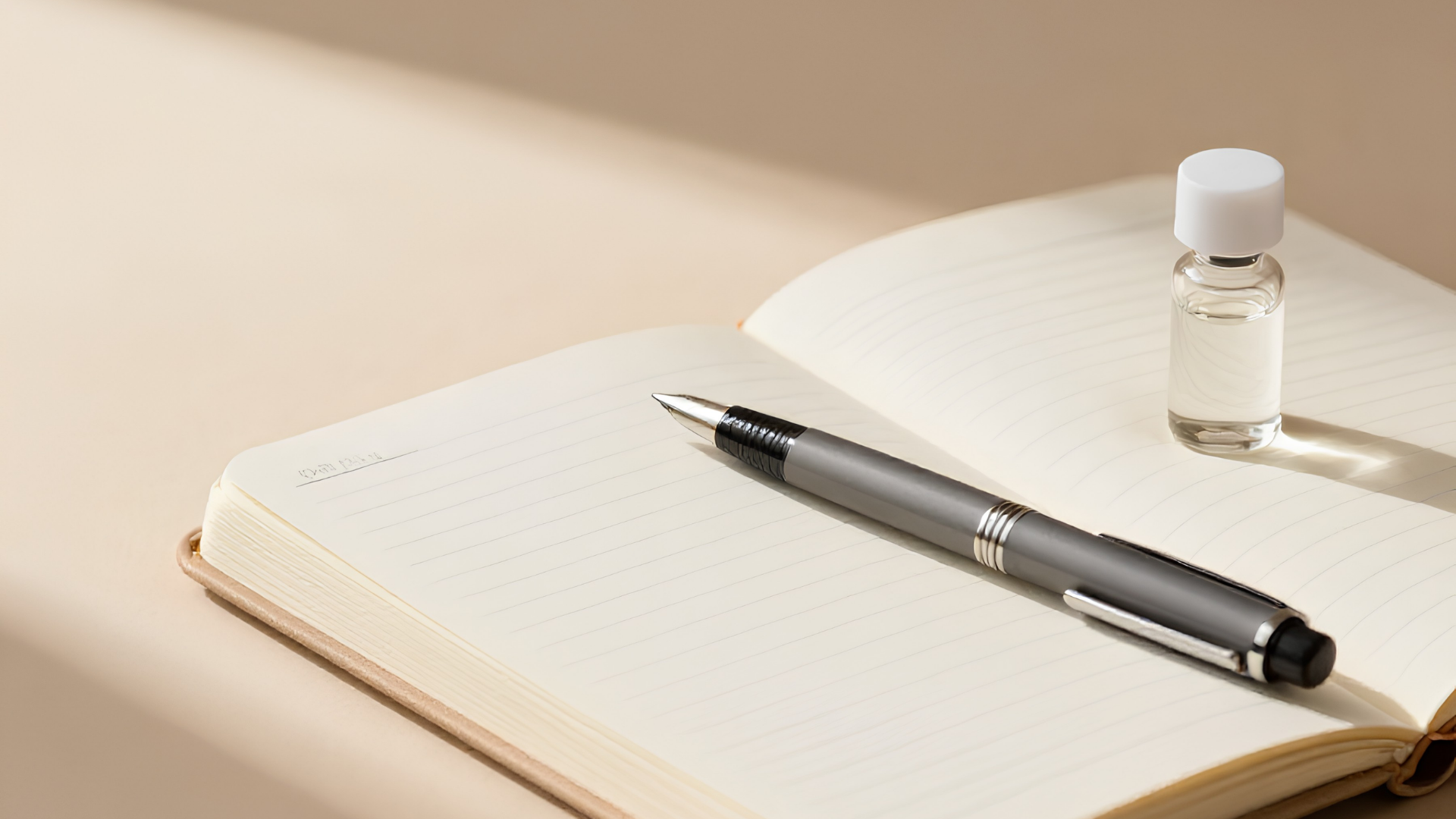
What To Write Down Before And After A Hormone Test
A hormone test can bring more details than memory can hold: why it was ordered, what changed beforehand, where the result is stored, what the provider said, and what questions need to be remembered later. A written record helps keep those details together without interpreting the result.

When Small Changes Start Mattering More
Some changes are not dramatic at first. A familiar day feels different, rest changes, energy moves through the day differently, or a task asks more from you. This article helps keep those small changes in writing.

What Changed After I Started This Supplement?
A supplement can feel easy to remember at first. Later, the date, reason, use, and what felt different can become less available. This article shows what to keep in writing after starting a supplement.
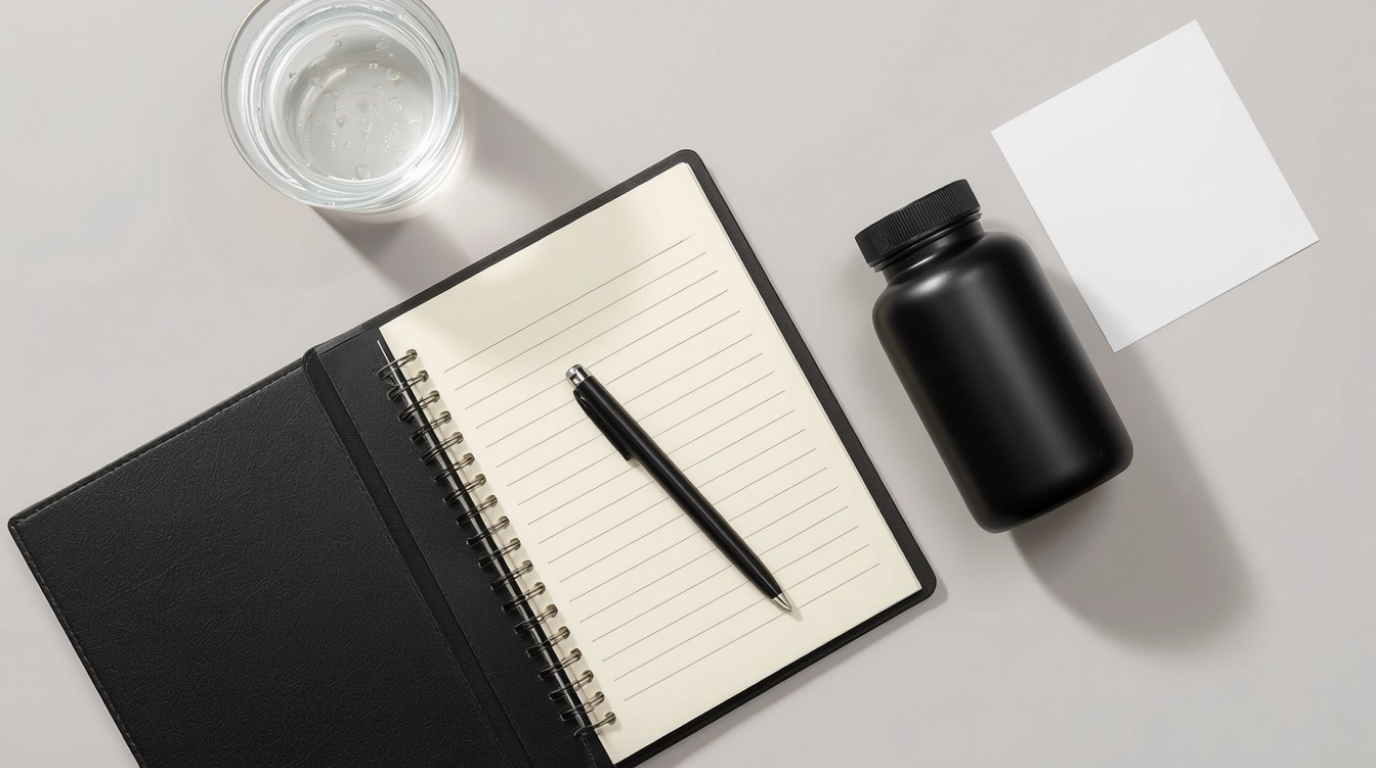
What To Write Down In A Daily Hydration Log
A daily hydration log does not need to be complicated. It should keep water, fluids, toilet notes, weather, energy, and what felt different in one written place so the day is easier to understand later.

What To Write Down When You Do Not Feel Like Yourself
When you do not feel like yourself, the first written note does not need to explain everything. It only needs to keep the date, the change, the context, and the question available for later.

How To Connect What You Eat To How Your Stomach Feels
Food and stomach notes are most useful when meals, timing, stomach feeling, toilet notes, stress, hydration, and daily context stay together. The goal is not to diagnose yourself. It is to keep the details available.

Before The Appointment, Write This Down
Appointments can move faster than memory. This article helps you prepare questions, provider notes, follow-up actions, current medications, supplements, and details to bring next time.

What To Write Down When You Start A New Vitamin Or Supplement
When a new vitamin or supplement enters your routine, the useful record is not a claim about whether it works. It is a simple written account of what you started, when, why, how you used it, what felt different, and what you may need to ask later.

What To Write Down On Low Energy Days
Low-energy days can be difficult to understand after they pass. A written record helps keep sleep, meals, hydration, movement, stress, products, and what felt different together in one place.

Paper Journal vs Health App: Which Is Better For Daily Health Notes?
A health app can help with numbers, alerts, and automatic data. A paper journal can help with meaning, memory, and the details that need a slower written place. The better choice depends on what you are trying to keep available.

How To Keep Prescriptions In One Place
Prescription bottles, OTC products, supplements, pharmacy details, and provider notes can separate quickly. A written record gives the important details one place to stay, especially when the question comes back later.

When Prescription and OTC Details Stop Being Easy To Find
Prescription and over-the-counter details can sit across bottles, labels, pharmacy accounts, store purchases, and memory. A written record keeps medicine names, doses, sources, and questions closer together.

When Medication Timing Stops Being Easy To Rebuild From Memory
A medication list tells what is being used, but it does not always show when the day actually happens. Morning, midday, evening, bedtime, missed, late, and as-needed use need a different written place.
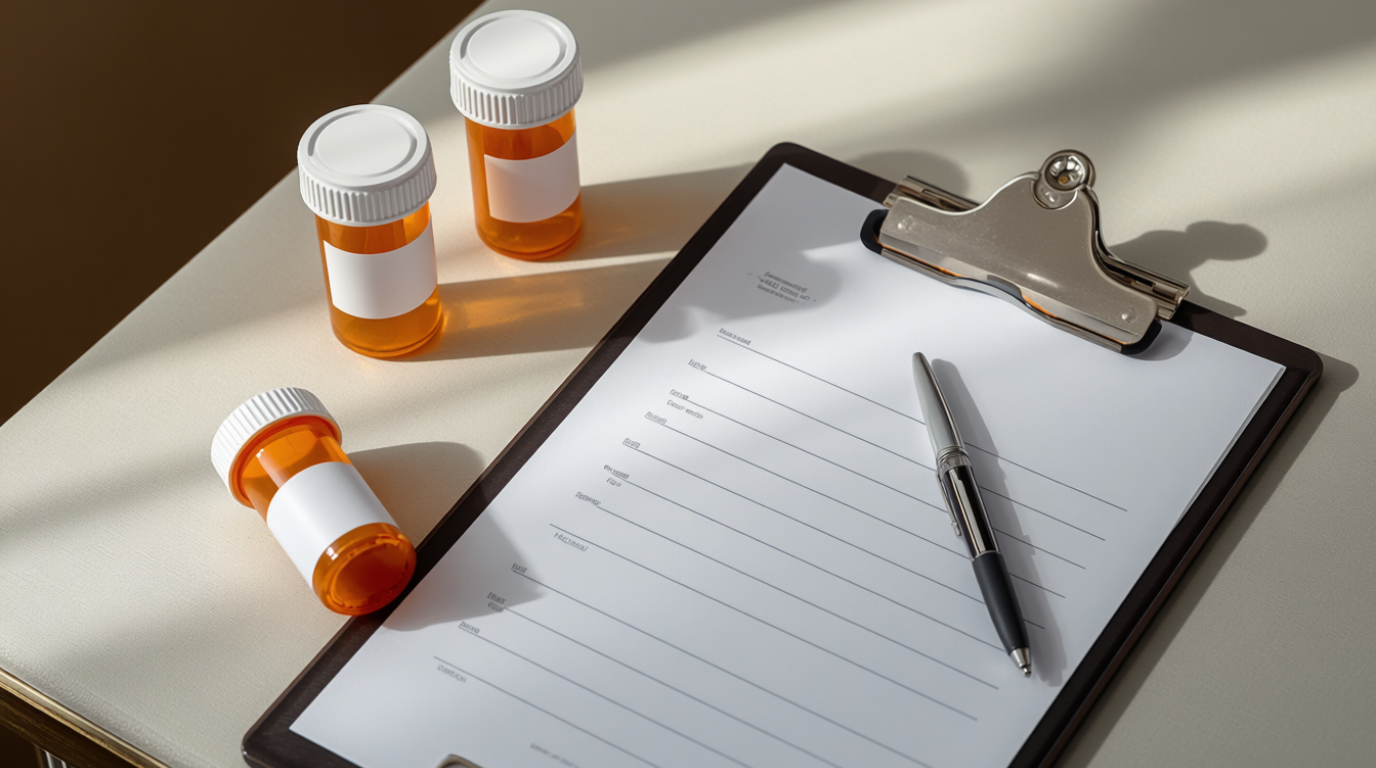
When Medication History Is No Longer Easy To Rebuild
Medication history is different from the current medication list. Older medicines, start dates, stop dates, earlier doses, prescribers, and pharmacy details may still matter after they are no longer part of daily use.

What To Bring Up About Medications Before A Provider Visit
Medication questions, notes, and summaries often appear before the appointment and disappear during the visit. A written page keeps current lists, recent changes, pharmacy details, and questions close enough to bring with you.
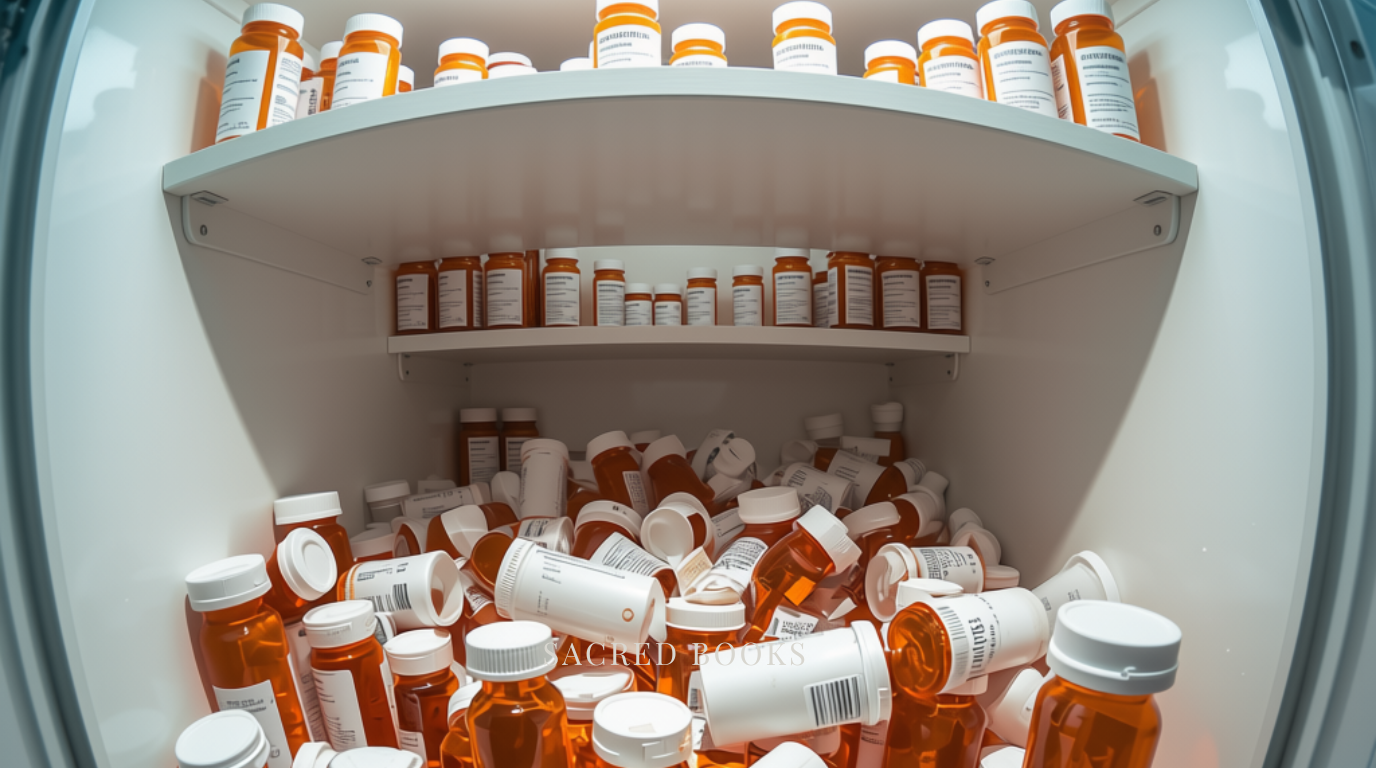
When Your Current Medication List Is Not As Current As You Think
A medication list can look current while small details have already changed. A dose, pharmacy, prescriber, time, or note may need updating before the list can do its job again.

When Pharmacy and Provider Details Are In Too Many Places
The medication question is not always the first problem. Sometimes the first problem is finding the right pharmacy, office, portal, phone number, refill contact, or note from the last call.

When Healthy Aging Starts To Need A Written Record
Healthy aging often begins as small adjustments. A product is added. A routine changes. Rest feels different. Movement feels different. An appointment brings up a question that should not be left to memory. A written record gives those details somewhere to stay before the week or month moves on.
Where Medication and Supplement Notes Belong When They Do Not Fit The List
Not every medication or supplement detail belongs on the main list. Some details are small, useful, or unfinished, and they still need a written place before they are lost.

When Medication Details Need To Go With Someone
A medication list is not always useful if it only exists at home. Travel, appointments, caregiving, errands, and time away can all make portable medication details more important.
Start with the collection
Browse the Observation Tools page to find the printed book that fits the part of your routine you want to review now.